
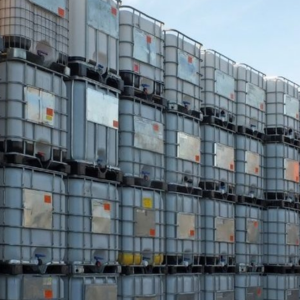
A footwear factory in Bahadurgarh needs one set of chemicals. A sanitaryware kiln needs another. A galvanized pipe plant needs a third. What they share is a common problem: managing multiple chemical suppliers, each with its own specification sheet, batch variation and coordination overhead. Innovacorp supplies bulk industrial chemicals across these categories from a single manufacturing base. The product range covers water treatment, boiler treatment, process aids and pH control chemicals. For a plant in MIE-II or HSIIDC Sector 17, that means fewer vendors to track and a consistent specification across every batch.
Bahadurgarh is not a single-industry town. It has seven industrial areas and more than 7,000 units, ranging from large sanitaryware brands to small footwear component workshops. The chemical demand reflects that diversity.
Chemical use here is dominated by process water treatment and effluent management. Sole moulding, adhesive preparation and leather finishing all generate wastewater that needs pH correction, coagulation and sludge dewatering before discharge. Bulk coagulants and polymer flocculants are the main consumption categories.
Glaze preparation and mould washing consume large volumes of water. Bahadurgarh's groundwater carries high hardness and TDS, which affects glaze suspension stability and causes scale on mould cooling lines. Bulk antiscalants and pH adjusters help keep the process water consistent.
Pickling and coating lines need acid neutralisation and rinse water treatment. Spent pickling liquor requires pH correction before it enters the ETP. Bulk alkali and neutralising agents are the primary requirement, along with flocculants for the resulting sludge.
Smaller units typically need boiler treatment chemicals and basic ETP consumables. The volumes are lower, but the specification requirements are the same: consistent active content, predictable dose response, and a supplier who can deliver the same grade batch after batch.
Most Bahadurgarh plants buy chemicals from three or four different traders. Each trader sources from a different manufacturer. The result is inconsistent specification, different packaging formats, and a procurement team that spends more time reconciling vendor issues than optimising the process.
Sourcing multiple categories from one manufacturer solves three practical problems:
Polyelectrolytes (anionic, cationic, non-ionic), coagulants, pH adjusters and defoamers for ETP and process water. These are the highest-volume category for footwear and sanitaryware units in Bahadurgarh.
Scale inhibitors, oxygen scavengers, sludge conditioners and alkalinity builders. Bahadurgarh's high-hardness groundwater makes boiler treatment essential for any unit running a steam boiler, whether for moulding, glaze drying or general process heat.
Acids, alkalis, salts and pH buffers for neutralisation, cleaning and process adjustment. Available in standard industrial grades.
Bulk purchase does not mean buying the same grade for every application. Two selection criteria matter most.
Anionic polymers work for inorganic, high-turbidity suspensions. Cationic polymers work for organic, negatively charged sludge. Non-ionic polymers suit acidic or mixed systems. The wrong charge type will not flocculate, regardless of dose. For Bahadurgarh's mixed industrial effluent, a jar test on your actual wastewater is the only reliable way to select the polymer.
Low-pressure boilers (up to 10 bar) in footwear and packaging units can use sodium sulphite as an oxygen scavenger. Higher-pressure systems in sanitaryware or steel plants need DEHA or carbohydrazide. The scale inhibitor chemistry also changes with hardness level. Bahadurgarh groundwater hardness varies across industrial areas, so a programme that works in one zone may need adjustment in another.
Dosage is application-specific and must be confirmed by lab trial. For reference:
Final dosage is confirmed after lab trial with your actual water or process sample.
Product specifications including appearance, active content, pH, density and shelf life are available on request. Formulations differ by application, so we do not publish a single fixed specification across the bulk range. TDS on request.
Standard industrial packing. Pack sizes on request.
We work with plant chemists and process engineers to review water analysis, select the right grade, and set up a dosing and testing schedule. For bulk buyers, we arrange plant trials before finalising the supply specification. Final specification is confirmed after lab trial.
Footwear units in Bahadurgarh use bulk chemicals for sole moulding, adhesive formulation, leather treatment and wastewater treatment. Common categories include pH adjusters, coagulants for ETP, and polymer-based flocculants for sludge dewatering.
Sanitaryware manufacturing uses large volumes of water for glaze preparation, mould washing and kiln cooling. Bahadurgarh groundwater carries high TDS and hardness, which affects glaze quality and equipment scaling. Bulk coagulants and antiscalants help maintain consistent process water quality.
Yes. Many Bahadurgarh units need multiple chemical categories: water treatment for the ETP, boiler treatment for steam generation, and process chemicals for production. Sourcing from one manufacturer reduces vendor coordination and keeps specification consistent across batches.
Specification depends on the process stage, feedwater or raw material quality, and the target output. For water treatment chemicals, a water analysis determines the coagulant dose and polymer charge. For process chemicals, the existing specification sheet and trial run confirm suitability. Final specification is confirmed after lab trial with your sample.
Call +91-9312871070 to discuss your bulk chemical requirement.
© 2026 Innovacorp India Pvt Ltd. All Rights Reserved. Managed & Developed by Innova Corporate India
 Chat with Us