
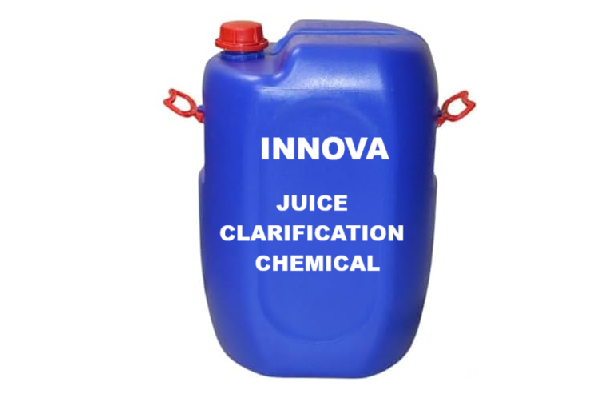
Innovacorp India supplies coagulation and flocculation chemicals for effluent treatment plants serving Baddi's pharmaceutical and industrial units. The Baddi-Barotiwala-Nalagarh belt is one of Asia's largest pharmaceutical manufacturing clusters, with hundreds of formulation units generating wastewater that carries suspended solids, colloidal matter, and dissolved organics. Our chemicals are designed to support the settling and turbidity removal stages of ETP and STP systems, helping plants meet discharge norms and reduce load on downstream biological treatment.
Baddi's pharmaceutical units operate under environmental compliance requirements that include effluent quality monitoring. The BBN belt has a common effluent treatment plant (CETP) infrastructure, and individual units also run their own ETP/STP systems. Wastewater from formulation plants typically contains suspended solids from tablet coating, API residues, cleaning operations, and utility blowdown. Without effective primary treatment, these solids increase COD load on biological systems and can cause membrane fouling in tertiary treatment. Coagulation and flocculation at the primary stage help remove a significant portion of this load before it reaches the aeration tank.
The treatment train typically involves two sequential steps. First, a coagulant—such as polyaluminium chloride or a ferric salt—is dosed into the raw effluent under rapid mixing. The coagulant neutralises the negative surface charge on colloidal particles, allowing them to come together. Second, a flocculant—usually a high-molecular-weight polymer—is added under slow mixing. The polymer chains bridge the destabilised particles into larger, denser flocs that settle in the primary clarifier or dissolved air flotation (DAF) unit. The clarified overflow then proceeds to biological treatment, while the settled sludge is dewatered separately.
Chemical selection depends on three inputs: effluent pH, suspended solids concentration, and the existing treatment train. For pharma effluent with high colloidal content, a coagulant with a broad pH operating range is often preferred. For flocculant selection, the charge type (anionic, cationic, or non-ionic) and molecular weight must match the sludge characteristics. A jar test using your actual effluent is the most reliable way to screen candidates before full-scale dosing. Final selection and dose should be confirmed through on-site trial.
Typical parameters reviewed for ETP coagulants and flocculants include active content, pH of solution, viscosity (for polymers), and solubility. Because performance depends on the specific effluent chemistry, we share detailed specifications after reviewing your water analysis. TDS on request.
Dosage is expressed in ppm (parts per million) based on effluent flow or volume. Coagulant dose typically ranges from 20–200 ppm depending on turbidity and colloidal load. Flocculant dose is much lower, usually 1–5 ppm as product. These are starting ranges for discussion—actual dose must be determined by jar test with your effluent. Overdosing can cause charge reversal and poor settling. Final dosing should be confirmed on-site.
Standard industrial packing; pack sizes on request.
We help ETP operators in Baddi review their effluent characteristics, screen chemical candidates, and plan dosing points. For systems already in operation, we can discuss troubleshooting symptoms such as poor floc formation, slow settling, or high residual turbidity. Final chemical performance should be verified through a jar test and on-site trial with your actual effluent.
Q: Baddi pharma ETP ke liye kaun sa coagulant suitable hai?
A: Pharmaceutical effluent mein colloidal particles aur dissolved organics ki load zyada hoti hai. Coagulant selection feed characteristics pe depend karta hai — turbidity, pH, COD. Typically polyaluminium chloride (PAC) ya ferric salts primary coagulation ke liye consider kiye jate hain, aur flocculant settling improve karta hai. Final selection jar trial ke baad confirm karein.
Q: ETP mein flocculant ki dose kitni hoti hai?
A: Flocculant dose feed suspended solids aur coagulant dose pe depend karti hai. Typical starting range 1-5 ppm (as product) hoti hai, lekin actual dose jar test se determine karein. Overdosing se settling slow ho sakti hai aur chemical cost badh sakti hai.
Q: Baddi CETP ke liye chemicals supply ke liye kya information chahiye?
A: Aapke ETP ka inlet characteristics (pH, TSS, COD), existing treatment train (primary/secondary/tertiary), aur current chemical dosing points share karein. Iske basis pe chemical selection aur dosing guidance discuss ki ja sakti hai. Final performance trial se verify karein.
Q: Coagulant aur flocculant mein kya difference hai?
A: Coagulant colloidal particles ka charge neutralize karta hai, jisse particles ek dusre ke paas aa sakte hain. Flocculant un particles ko bade flocs mein bind karta hai jo settle ho jate hain. ETP mein dono stages sequential use hote hain — pehle coagulation, phir flocculation.
Call +91-9312871070 to discuss your Baddi ETP requirements.
© 2026 Innovacorp India Pvt Ltd. All Rights Reserved. Managed & Developed by Innova Corporate India
 Chat with Us